CV Structure
Decoding Success: The Impact of Candidate CV Structure on Selection Decisions
DAVZON EditorialJanuary 24, 20244 min read

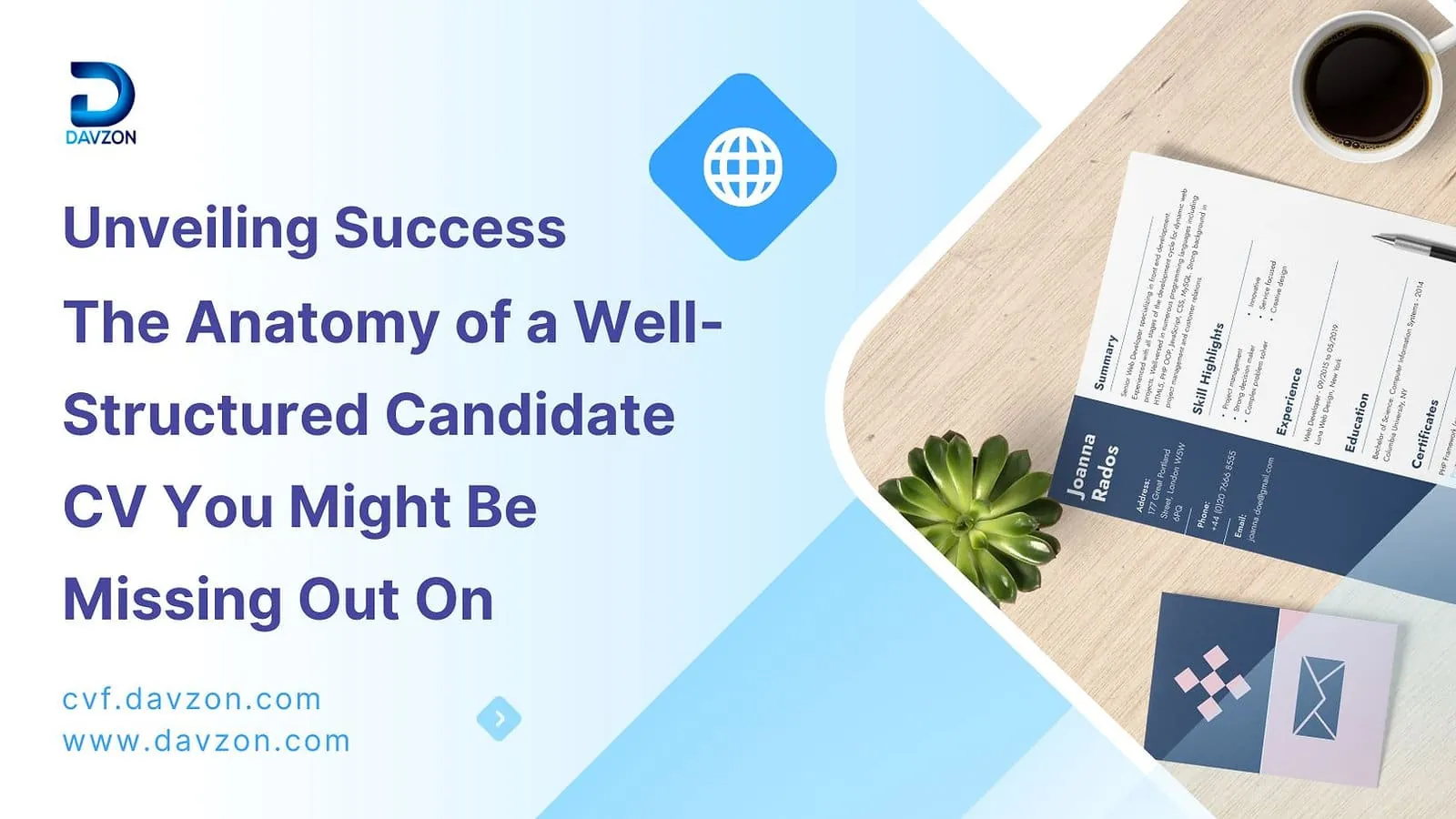
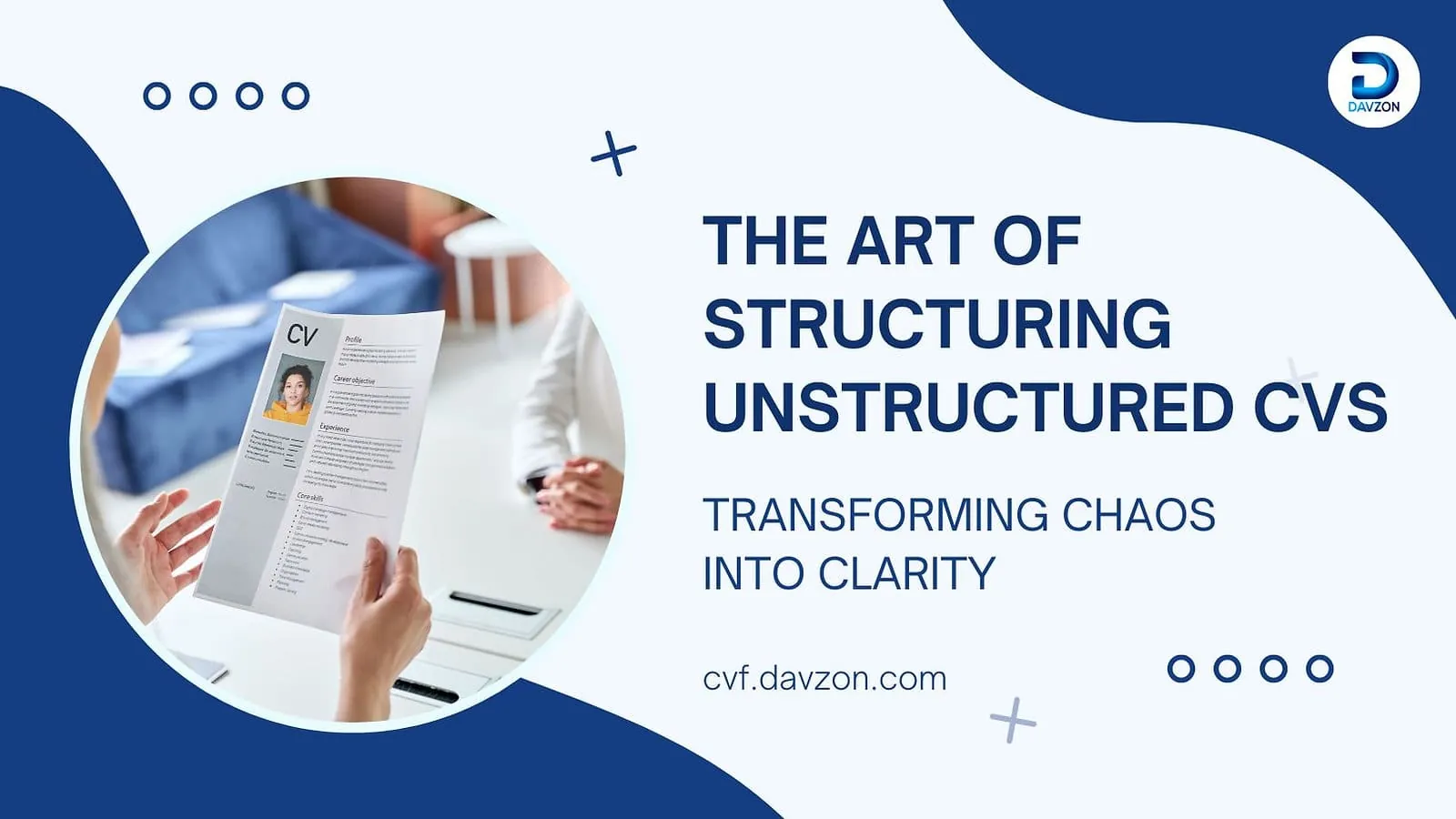
In a competitive hiring market, the structure of a candidate's CV plays as large a role in selection decisions as its content. It's the gateway recruiters use to judge qualifications, experience, and fit — and it either helps or hurts that judgment before a single line is fully read. Here are ten ways CV structure shapes the decisions that follow.
The opening seconds of reviewing a CV matter, and structure does a lot of the work in shaping that first impression.
Example
A candidate with a clean, organized CV signals attention to detail before a recruiter reads a single bullet point.
Recruiters often have limited time per CV. An efficient structure keeps the relevant information within easy reach.
Example
A CV that lets recruiters find essential details quickly leads directly to a faster, more thorough evaluation.
A CV's structure should line up with what the role actually requires, not a generic template.
Example
A candidate structuring their CV to foreground project management experience for a role that demands it will catch a recruiter's eye faster than one that doesn't.
Recruiters respond to tangible results, and a well-structured CV makes those results visible through placement and emphasis.
CV structure goes beyond aesthetics — it directly shapes how effective every candidate assessment turns out to be.
Example
A CV that states a specific revenue lift or project outcome gives recruiters concrete evidence of impact, not just a claim.
A professionally presented CV shapes how a recruiter perceives a candidate's overall suitability, beyond the content itself.
Example
A well-structured CV tells a recruiter the candidate takes their professional image seriously — that reads as trust before the interview even happens.
A CV's structure can reveal a candidate's adaptability across roles and industries — a structure aware of industry norms signals a dynamic, informed candidate.
Example
A structure that showcases experience across diverse roles or industries signals to recruiters that a candidate can bring a genuinely fresh perspective.
The opening summary sets the tone for how a recruiter reads everything that follows.
Example
A candidate with a well-crafted summary communicates their strengths immediately, setting up a more favorable read of everything after it.
How the skills section is structured directly shapes a recruiter's read of a candidate's capabilities.
Example
A well-structured skills section makes it easy for a recruiter to match a candidate against the exact skill set a role needs.
A CV that reflects continuous learning signals to recruiters that a candidate is invested in staying relevant.
Example
A CV structured to showcase ongoing learning tells recruiters the candidate is proactive about staying current in their field.
Readability is the sum of everything above — a well-structured CV lets recruiters grasp a candidate's story without unnecessary friction.
Example
A CV that's genuinely easy to read lets recruiters focus on qualifications and experience rather than fighting the layout — and that alone leads to a more favorable impression.
In competitive hiring, the impact of CV structure on selection decisions is hard to overstate. A well-structured CV works as a roadmap, guiding recruiters through a candidate's professional journey and giving them real insight into fit. Structure goes beyond aesthetics — it directly shapes how effective every candidate assessment turns out to be. Recruiters who understand what makes a CV well-structured are simply making better, faster-informed decisions.
Put It Into Practice
Book a short demo and we'll show you how DAVZON fits into your existing recruitment workflow.